


Jovie Alluag
- Aleisha Sin
- Jul 23, 2021
- 2 min read

Updated: Jul 28, 2021
“We want change but no one listens because we are poor farmers.”

“The Philippines is split into 12 regions; each region consists of many towns and provinces that produce different crops. Since the Philippines is in the tropical zone, we only experience dry and wet seasons; thus, the climate is hot and humid all year round. In the Ilocos Region, the hottest part of the country, our primary produce are tobacco and fruits such as mangoes, bananas, and pineapples. With temperatures reaching up to 38-40 degrees celsius, my family and I grow tobacco for a living. The boiling temperature makes it perfect for us to plant tobacco as other crops will not survive under the extreme heat.

Every day we are greeted by oven-like, steamy hot weather. Since we cannot afford air conditioning, we turn on fans that blow hot wind. Our only source of respite from the stuffy weather is swimming in the river or sitting under the shade provided by leafy trees. As a tobacco farmer, the work I do is difficult and tedious. Under the blazing sun, I first plant the tiny tobacco seeds, dig the soil and take out all the extra branches of the plant. Subsequently, I spray arsenide, a type of pesticide that kills worms. Tobacco is one of the hardest crops to grow because it is very sensitive to the environment in which it is planted and grown. Harvesting tobacco is even more challenging because tobacco farmers must harvest different types of tobacco at specific stages of their ripeness.
"If mishandled, the crops will lose all of their moisture and produce a bad harvest. "
The production process of curing Tobacco takes between 4-9 weeks. Because fresh tobacco is too wet to turn into smoking products, I put the plant through a long barbeque stick and cook it until it becomes dry and shriveled. By following the careful and lengthy curing procedure, I can produce high-quality tobacco that my family can sell for higher prices.

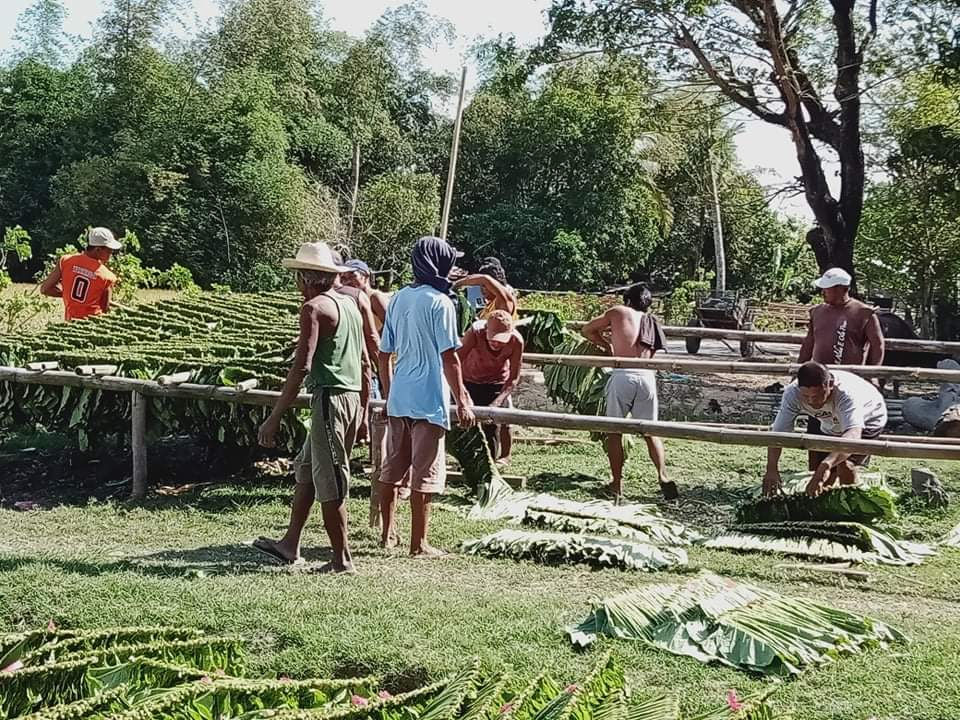
However, our crops can be significantly affected during the wet typhoon seasons. During non-rainy seasons, we rely on dams to supply water for irrigation. When heavy rain continuously falls for more than a week, the dam becomes full and releases water. As a result, the heavy floods that occur suffocates and stops respiration in the roots of the tobacco plants. Consequently, the leaves wilt from the oxygen deficit, and we lose all of our crop yields. Yet, the government does nothing to compensate for our loss, and we must bear the consequences of the harsh weather. To overcome the burden of crop loss, we hope that the government can pay us subsidies or help lower the price of fertilizers and pesticides to maximize crop yield.”


